

Tufting Cloth
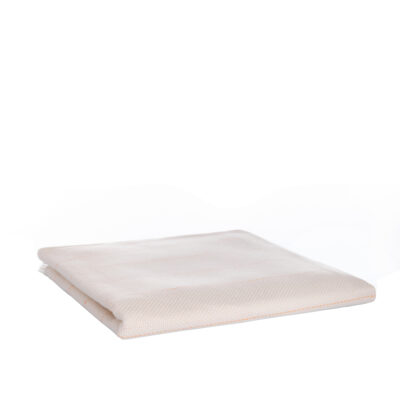
Clean lines start with the right cloth. Our Primary Tufting Cloth has bright yellow guide lines woven in every 5 cm, so your design stays straight, and it forgives beginner mistakes: pull out a botched line and re-tuft the same spot. Press hard? The Grey Polyester Tufting Cloth stretches tighter and stays tight under heavy tufting. Finish with anti-slip backing that keeps your rug firmly in place.
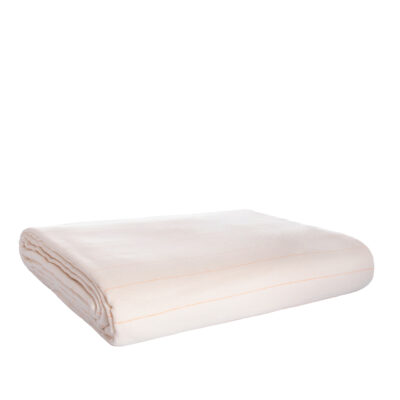
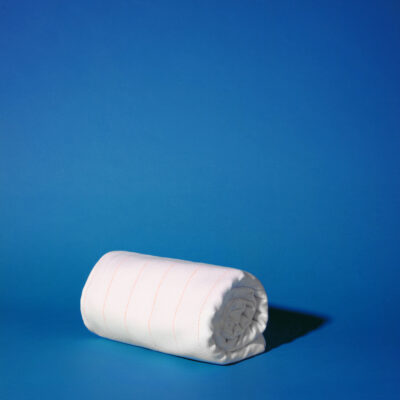
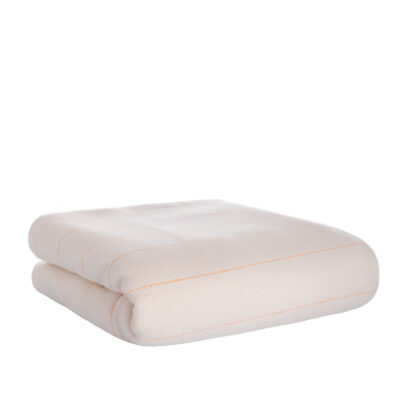
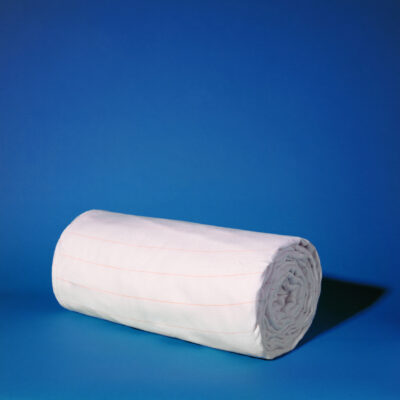
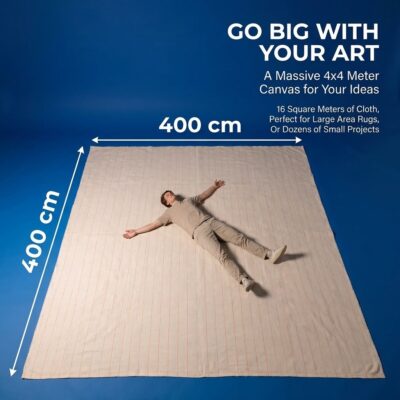
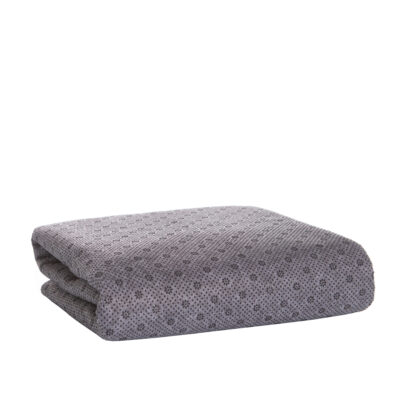
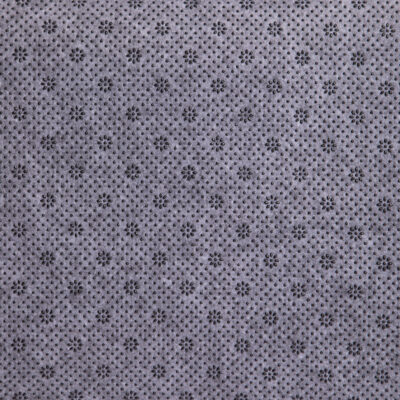
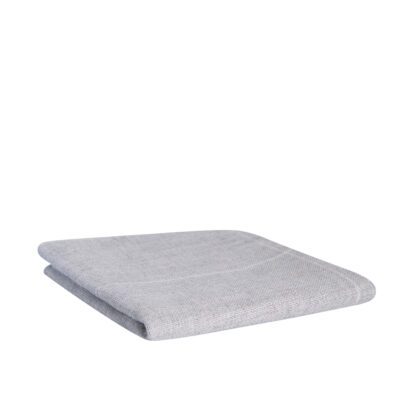
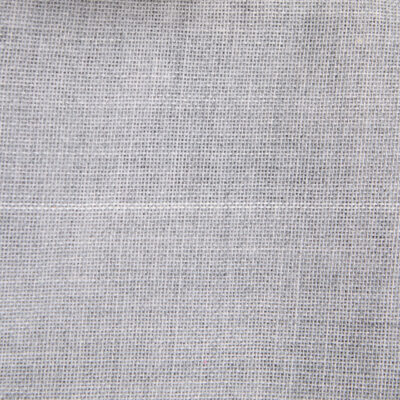
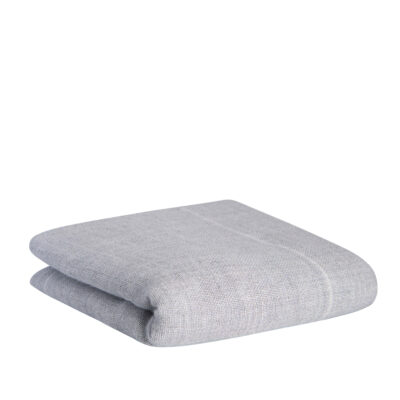
Woven 5 cm guide lines · re-tuft without leaving a hole · sizes up to 400x400 cm · for the AK-V, AK-1H, AK-1N and other tufting guns
Which tufting cloth should you choose?
- Primary Tufting Cloth: for most rugs. High-tensile polyester and polypropylene, 14 x 14 threads per inch, with bright yellow guide lines woven in every 5 cm. Forgiving: pull out a botched line and re-tuft the exact same spot. Also works with punch needles. Sizes: 100x100 cm, 200x200 cm, 300x300 cm and 400x400 cm.
- Grey Polyester Tufting Cloth: for heavy pressure. 100% industrial-strength polyester, 260 g/m², 15 x 15 threads per inch. It stretches tight and stays tight, and the grey makes your design lines and bright yarn colours easier to see. Sizes: 100x100, 200x200 and 215x300 cm.
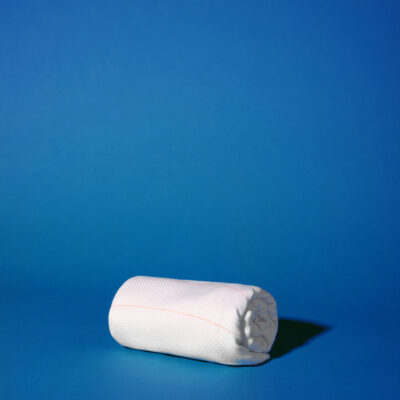
- Anti Slip Backing Cloth: to finish the rug. Soft non-woven felt with rubberised anti-slip dots, 200x200 cm. It keeps the rug in place and stops dried latex from scratching your floor.
New to tufting? Start with the Primary Tufting Cloth. If you press hard and keep over-stretching your cloth, switch to the grey polyester.
What size tufting cloth do I need?
- Primary 100x100 cm: 1 medium-sized rug or 3–4 smaller pieces
- Primary 200x200 cm: 4–7 medium rugs or one large statement piece
- Grey 100x100 cm: 1–2 medium rugs or small accent pieces, ideal for smaller tabletop frames
- Grey 200x200 cm: 4–7 medium rugs
- Grey 215x300 cm: 6–11 medium rugs, or one rug up to 2 x 3 m
Primary tufting cloth or monk's cloth?
Standard monk's cloth can slice or tear under the pressure of a 200W tufting gun. Our synthetic primary cloth absorbs the continuous impact of the needle, so you can tuft closely packed lines without blowing out the backing.
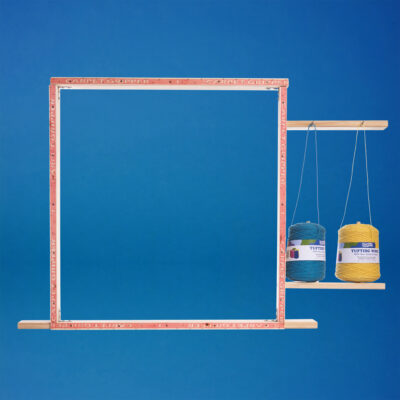
How to stretch tufting cloth
- Press the cloth onto the cloth grippers of your frame.
- On a standard frame, pull the corners first, then work along the sides. On a large frame, secure the centre of each side first, then pull out towards the corners.
- Do the drum test: the cloth should sound like a drum when you tap it. If it sags in the middle, your lines pack unevenly.
Finishing with anti-slip backing
- Lay your finished rug face-down and cover the back with latex carpet glue. We don't sell glue: buy it at your local hardware store.
- Trim the anti-slip cloth to the outer edge of your primary cloth.
- Lay it on the latex while it is still tacky, or let the latex cure and use a heavy-duty upholstery spray adhesive.
- Press firmly, smoothing from the centre outward.
What else do you need?
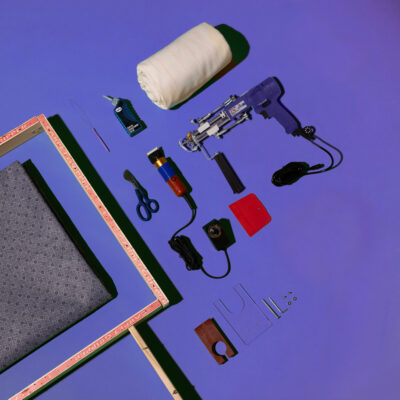
- A tufting frame to stretch the cloth on.
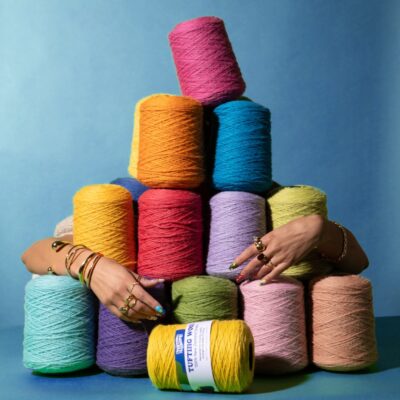
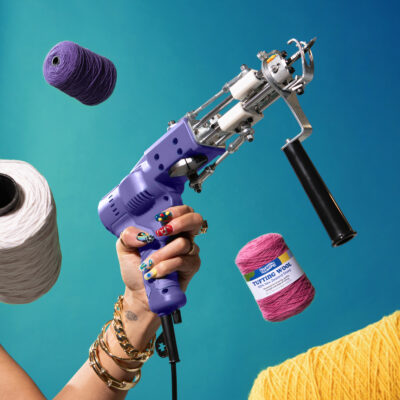
- A tufting gun and tufting yarn.
- Everything at once: our tufting starter kits include 200x200 cm primary cloth.
Tufting cloth FAQ
What is primary tufting cloth?
The woven base you stretch on your frame and tuft your yarn into. Ours is a high-tensile polyester and polypropylene blend with guide lines every 5 cm.
Which tufting cloth is best for beginners?
The Primary Tufting Cloth. It is forgiving: you can pull out a line and re-tuft the same spot without leaving a hole.
What is the difference between the primary and the grey polyester cloth?
The grey cloth is 100% industrial-strength polyester at 260 g/m². It resists over-stretching when you press hard, and its grey colour gives more contrast with your design lines.
Can I use monk's cloth for a tufting gun?
Standard monk's cloth can tear under a 200W tufting gun. Our primary cloth is made to absorb that impact.
Which tufting guns does the cloth work with?
The AK-V, AK-1H, AK-1N, pneumatic guns and other standard cut and loop tufting machines. The primary cloth also works with punch needles.
Do I need anti-slip backing?
It is recommended. It keeps your rug from sliding and covers the dried latex so it doesn't scratch your floor.
Can I fix a mistake in the cloth?
Yes. Pull out the yarn and re-tuft the same spot. The flexible fibres close up without a gaping hole.